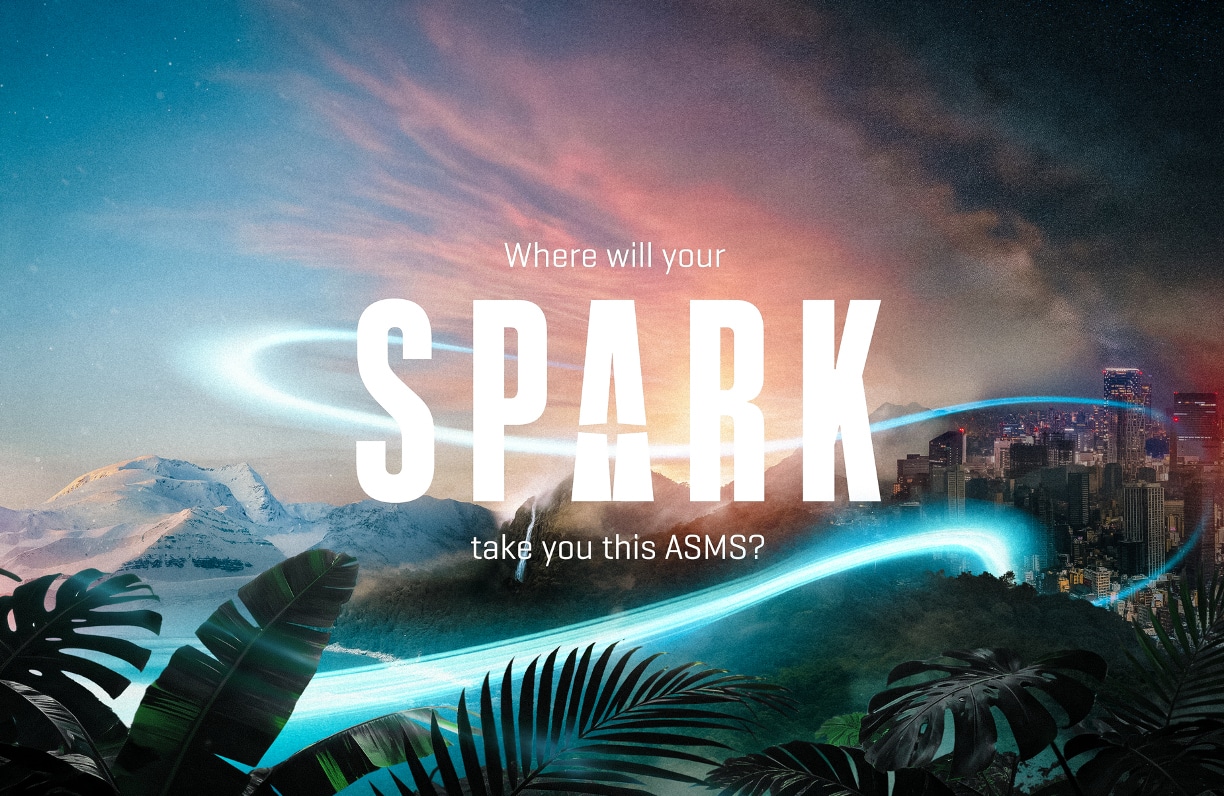
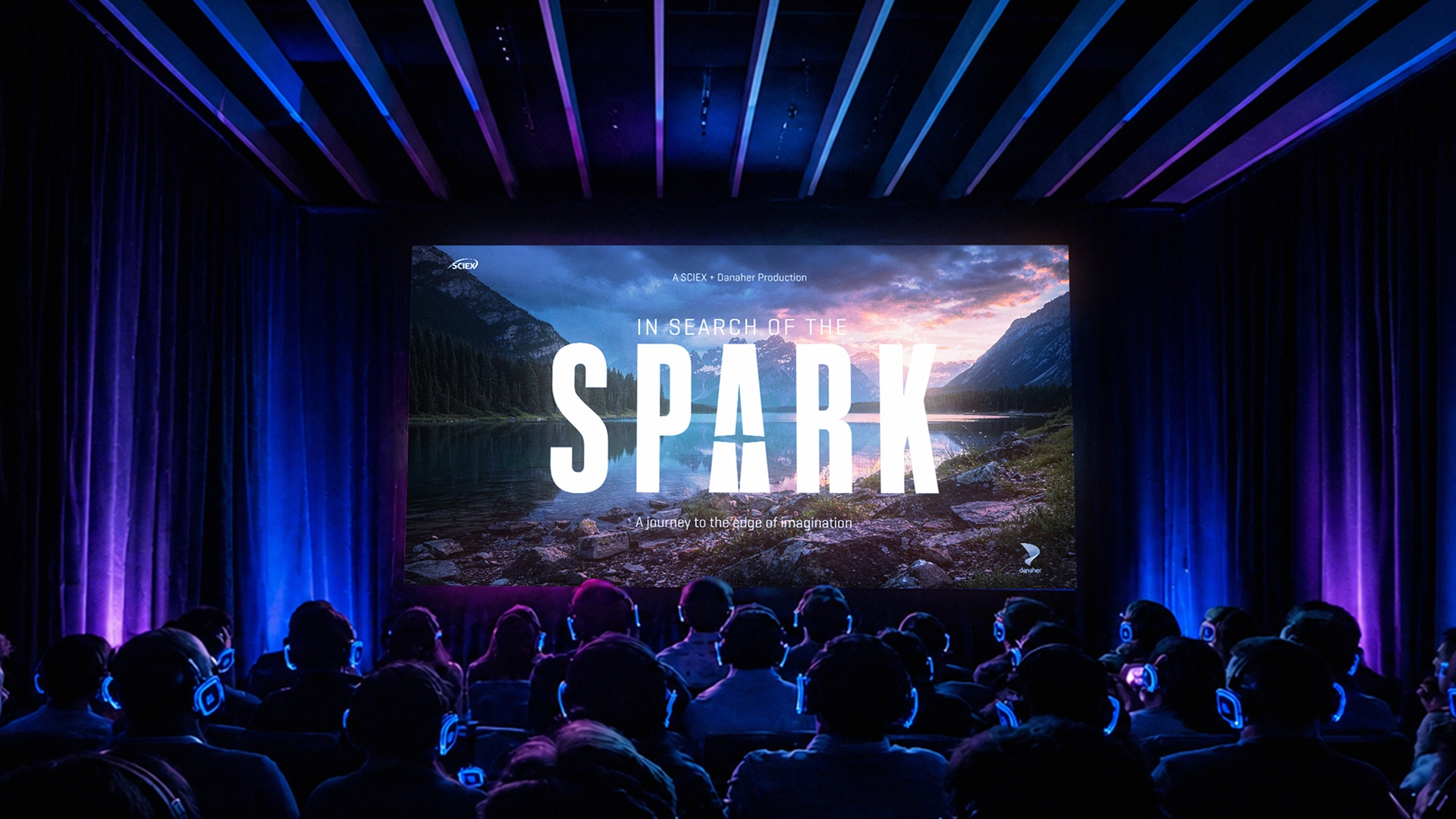
The American Society for Mass Spectrometry is a prestigious annual conference event held in San Diego.
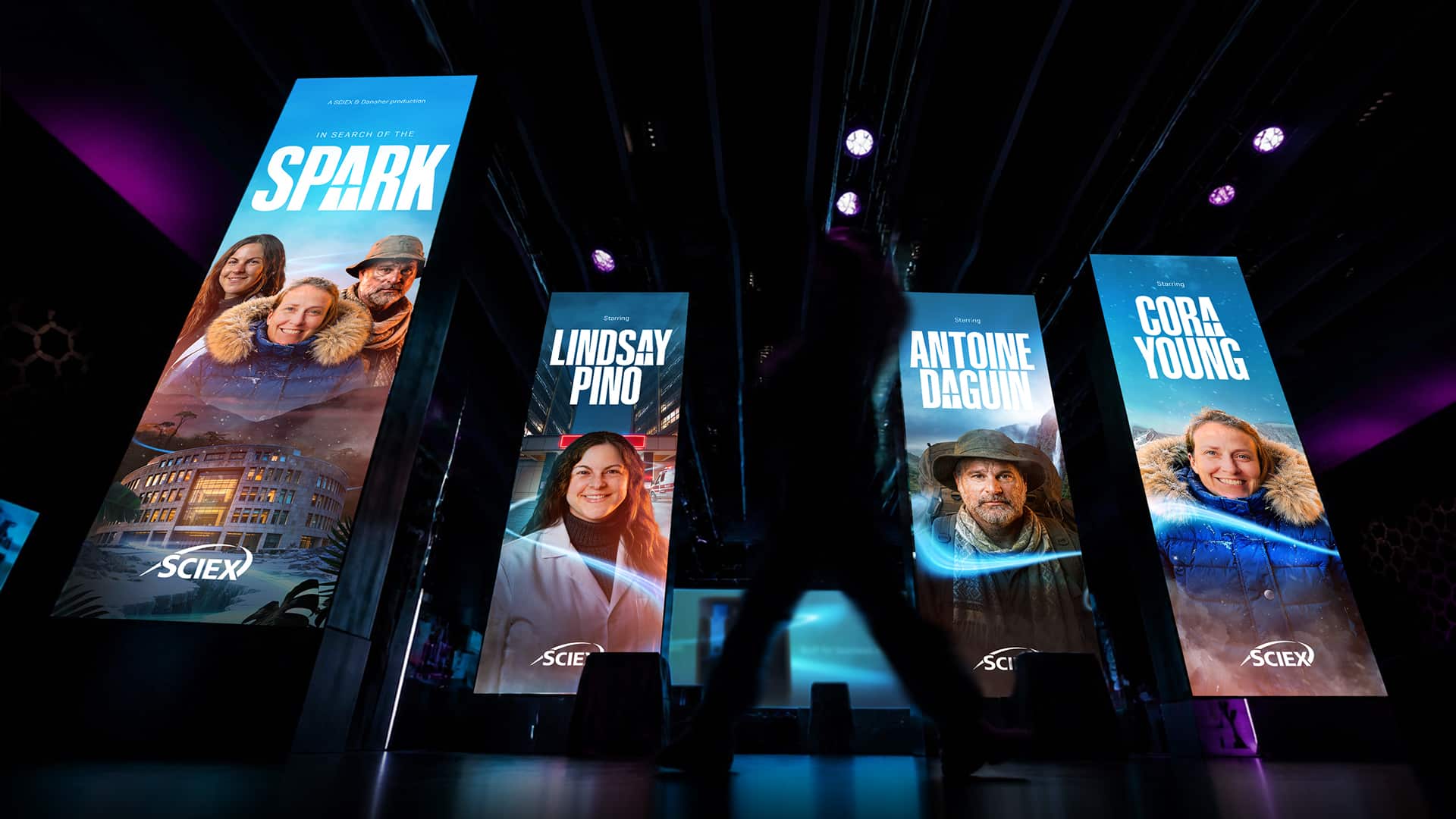
Boulder Creative Studio asked us to help with another Sciex ASMS Hospitality Suite Technology challenge.
Boulder’s client Sciex host a Hospitality Suite at ASMS every year, and in 2026 the campaign was “In Search of the Spark”. Boulder designed and created the graphics and film production work for the event, and asked Weald Creative to develop the software stack for an app and services.
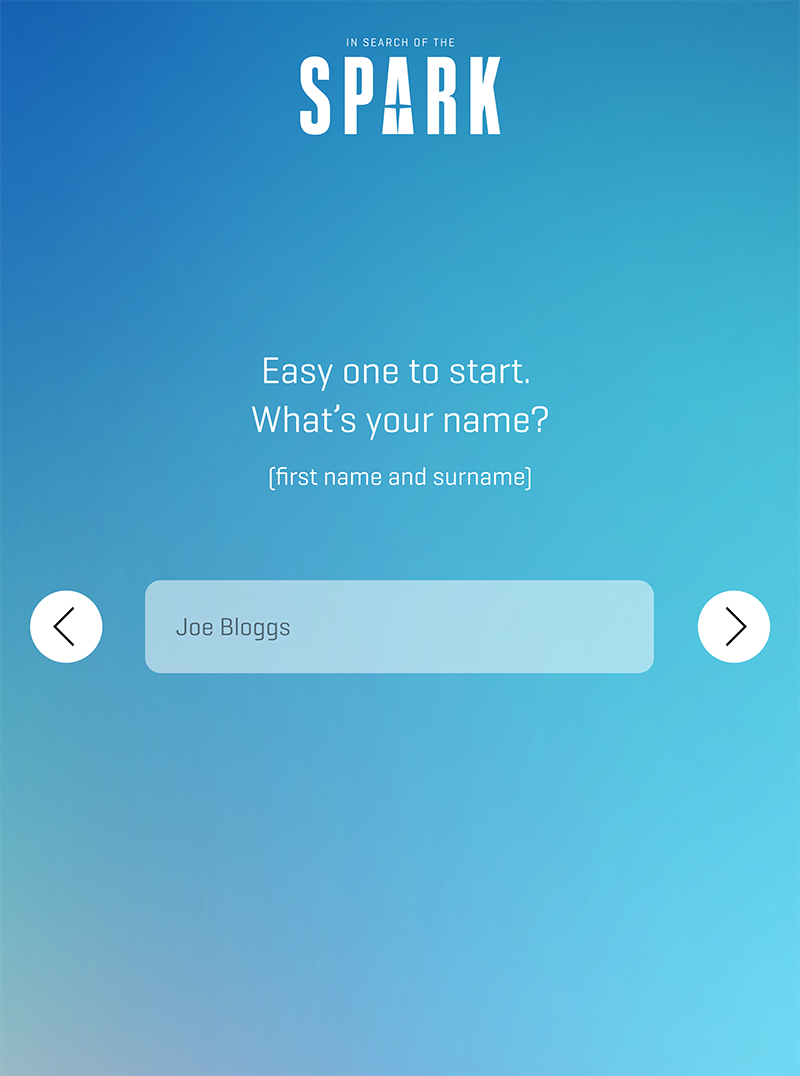
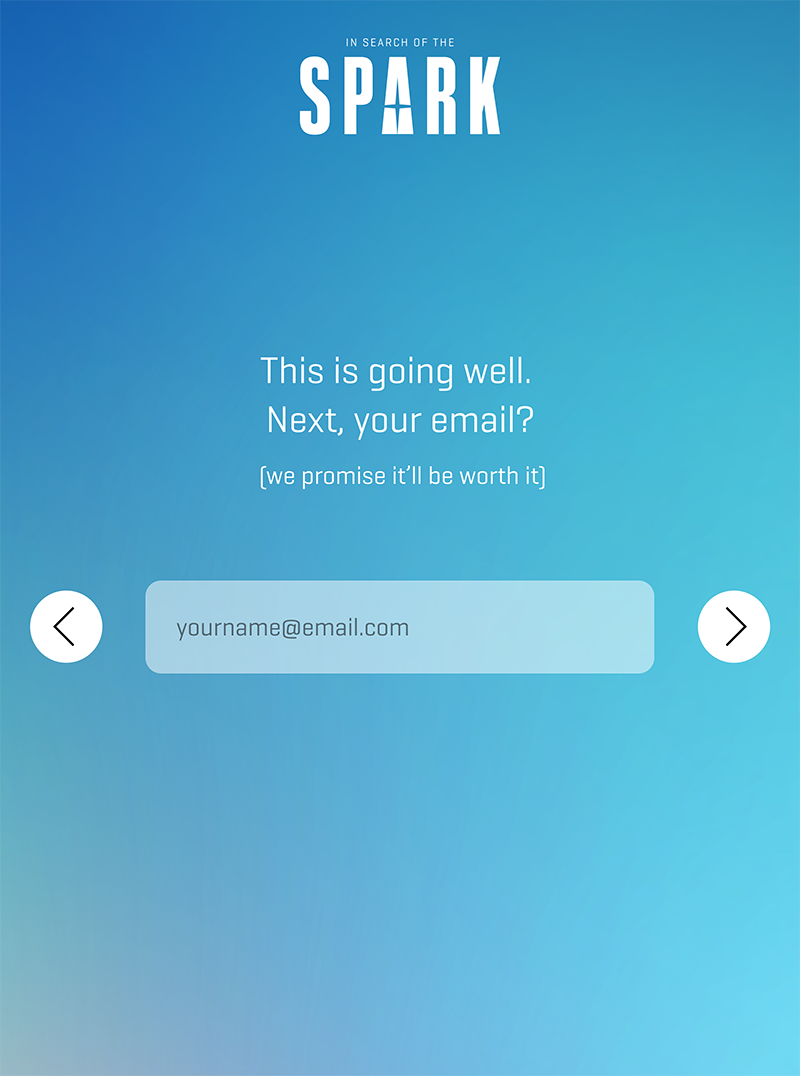
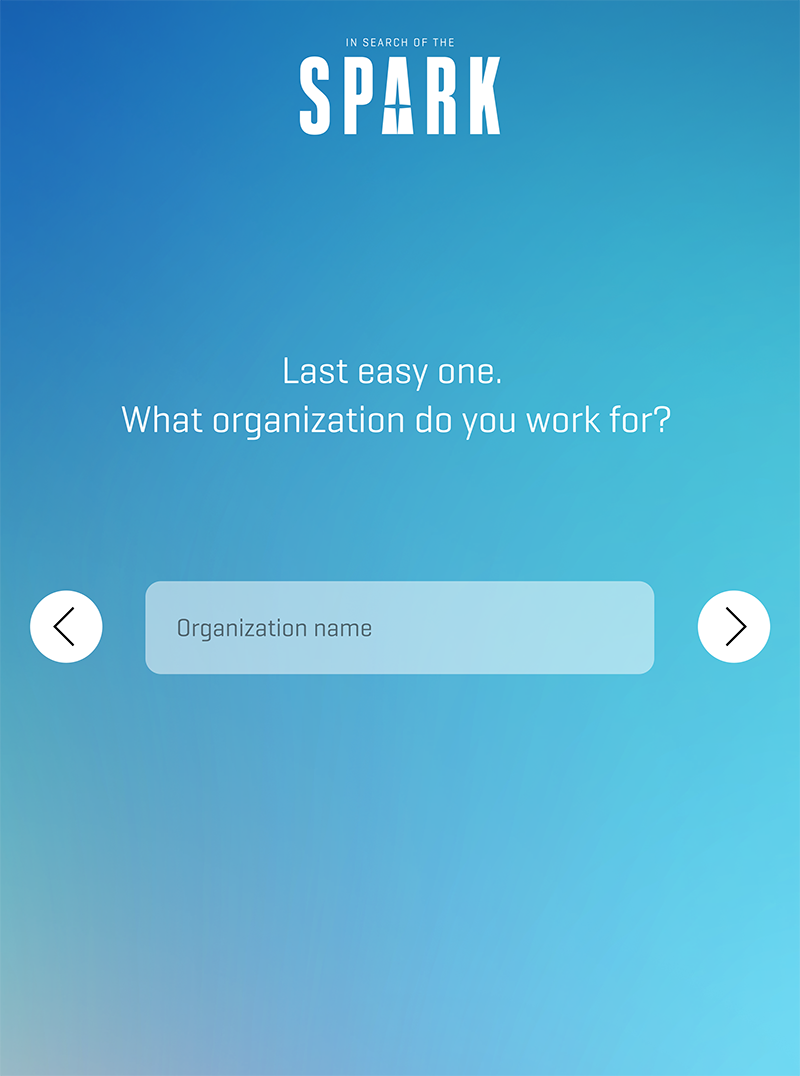
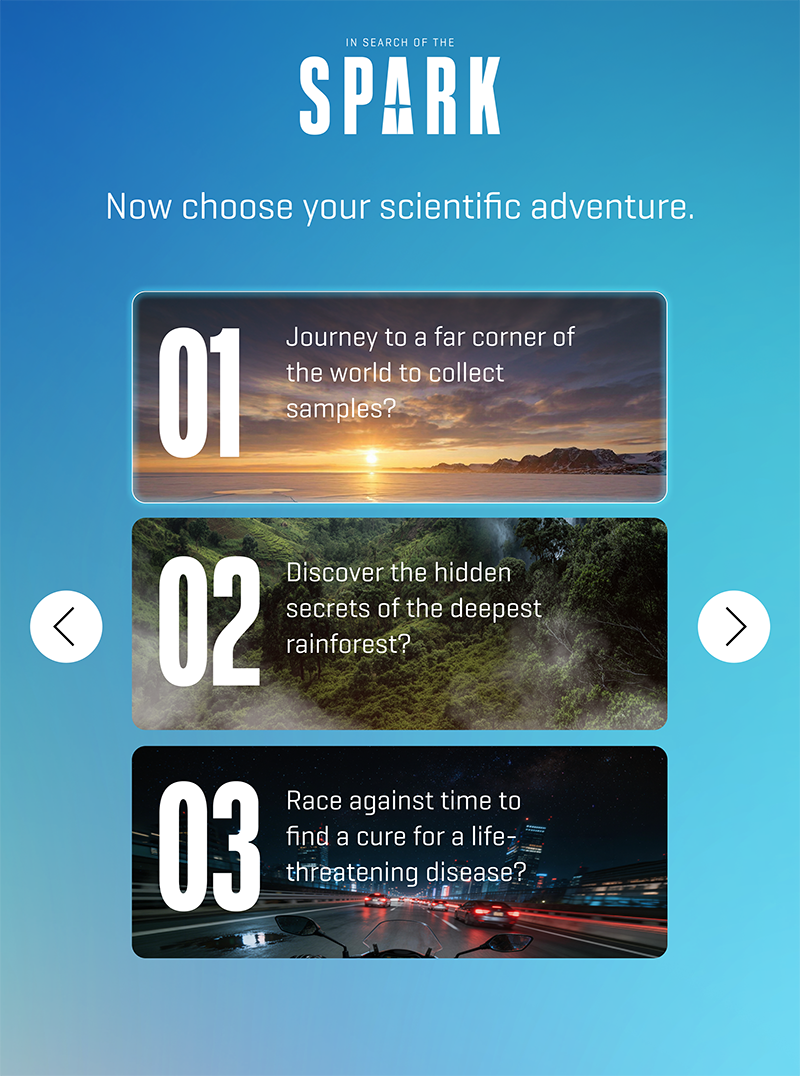
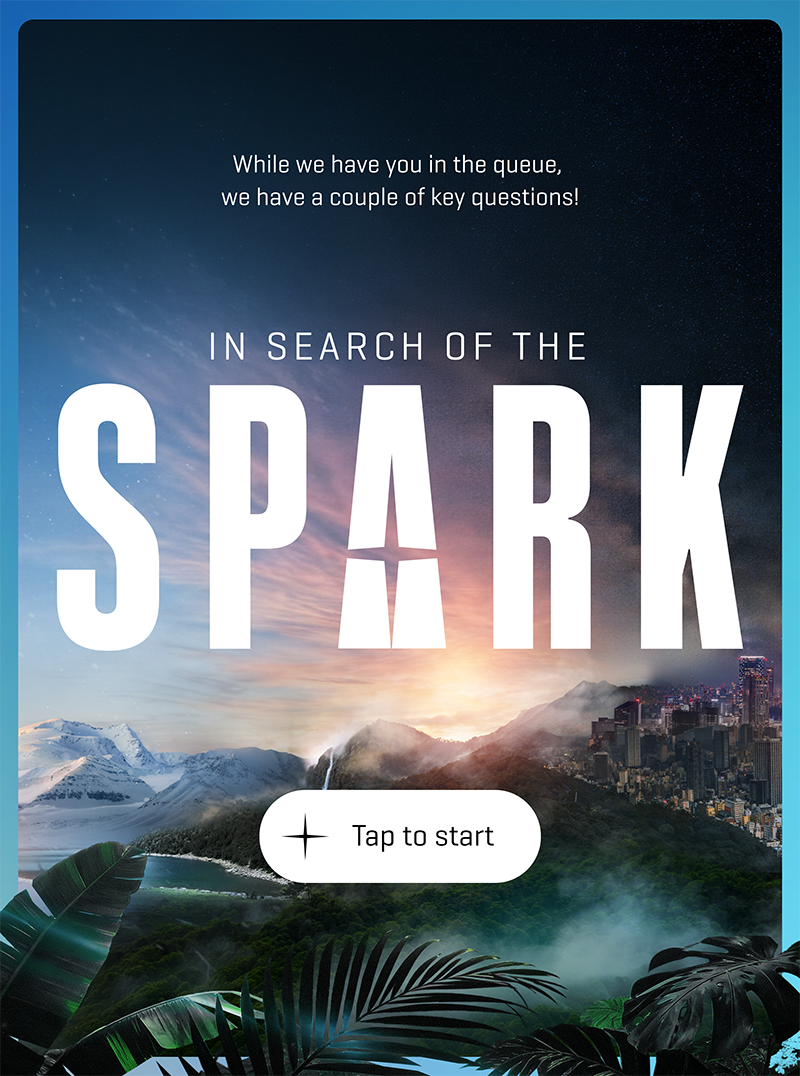
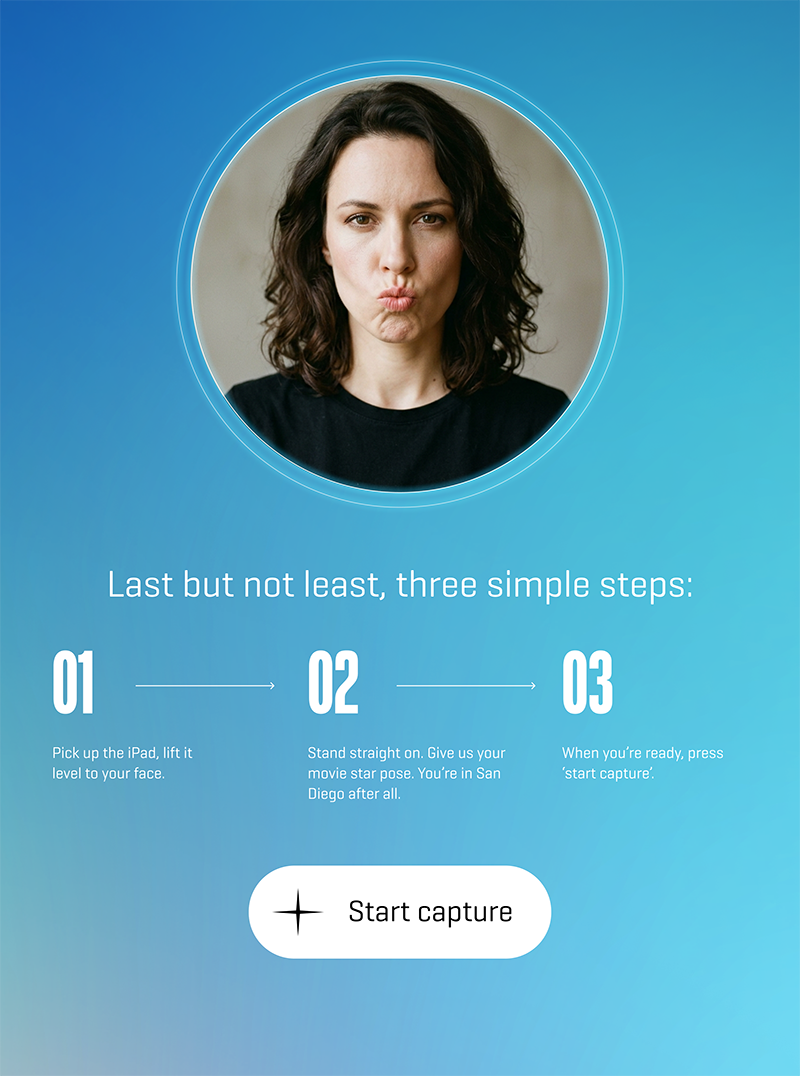
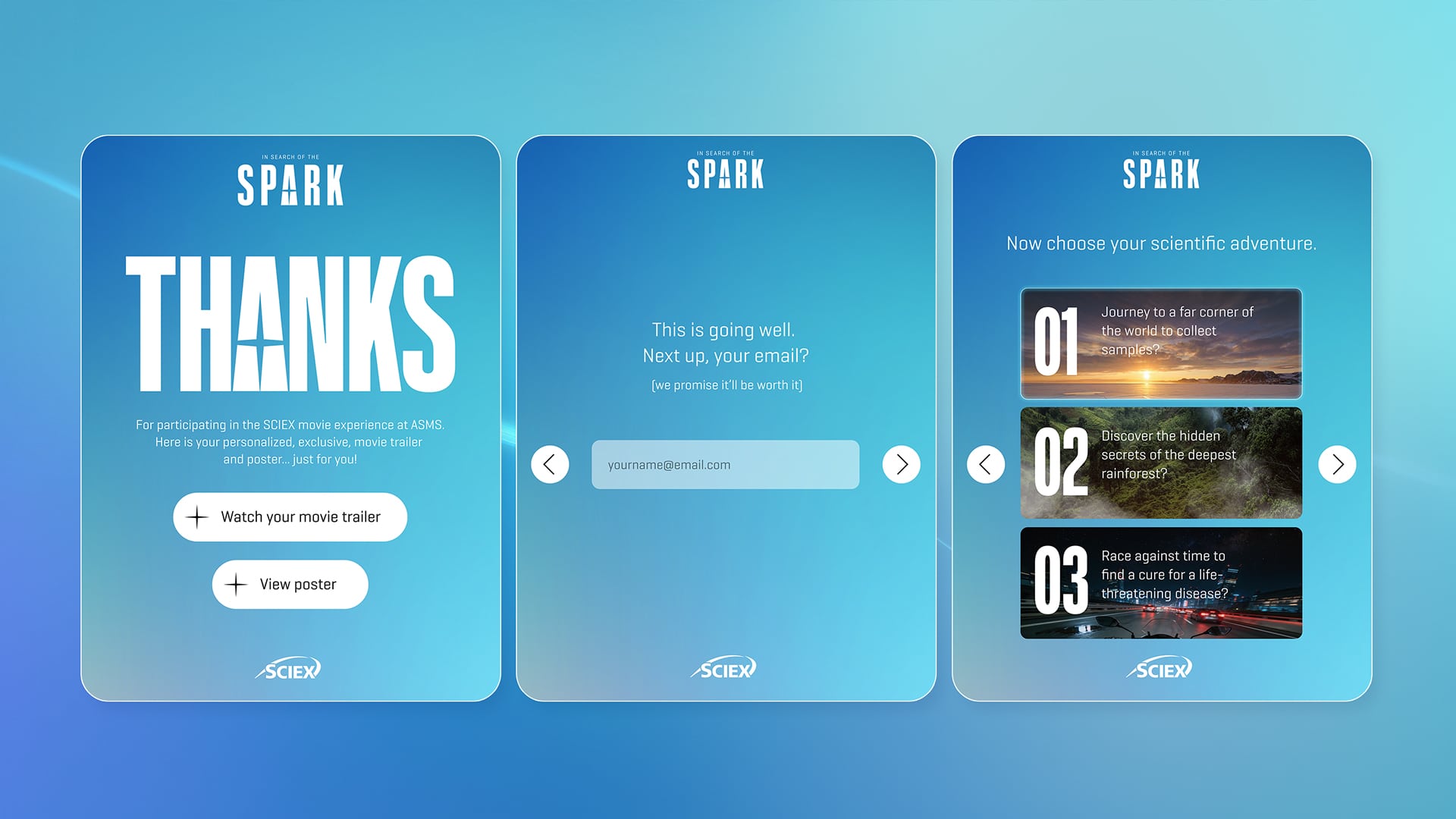
The iPad app would be available to visitors as they entered the suite in anticipation of watching the “Spark” movie in the specially built auditorium. We needed to get their details as quickly as possible so they wouldn’t miss the screening, and would have a nice surprise in their email inbox afterwards.
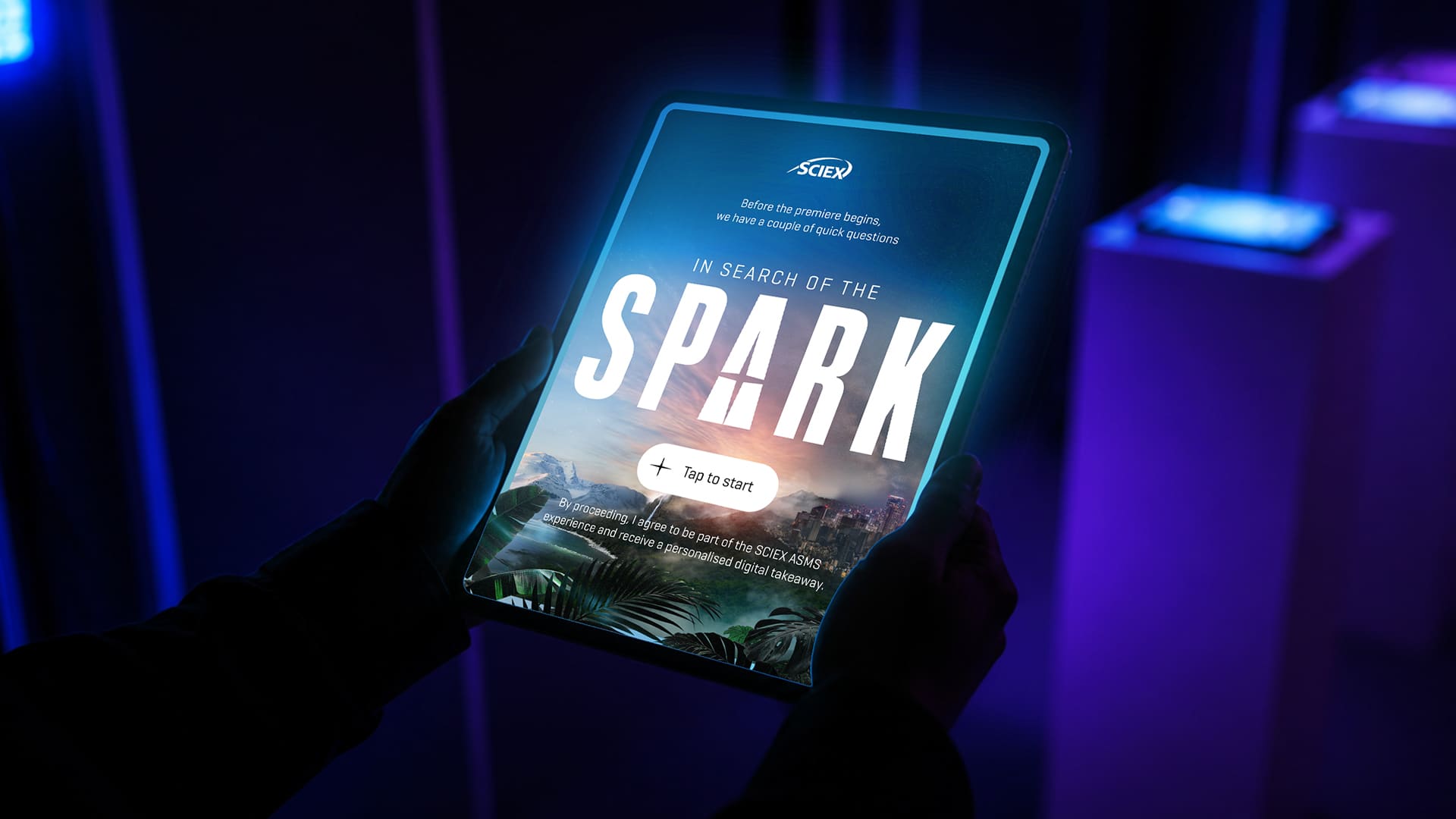
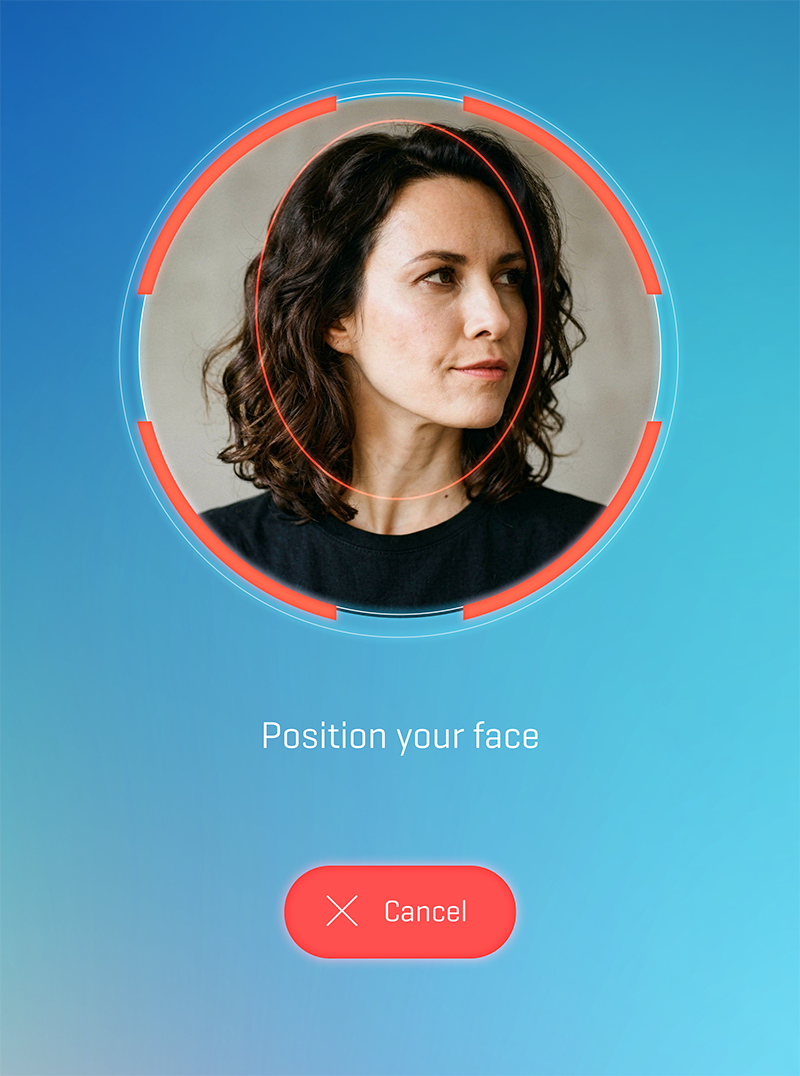
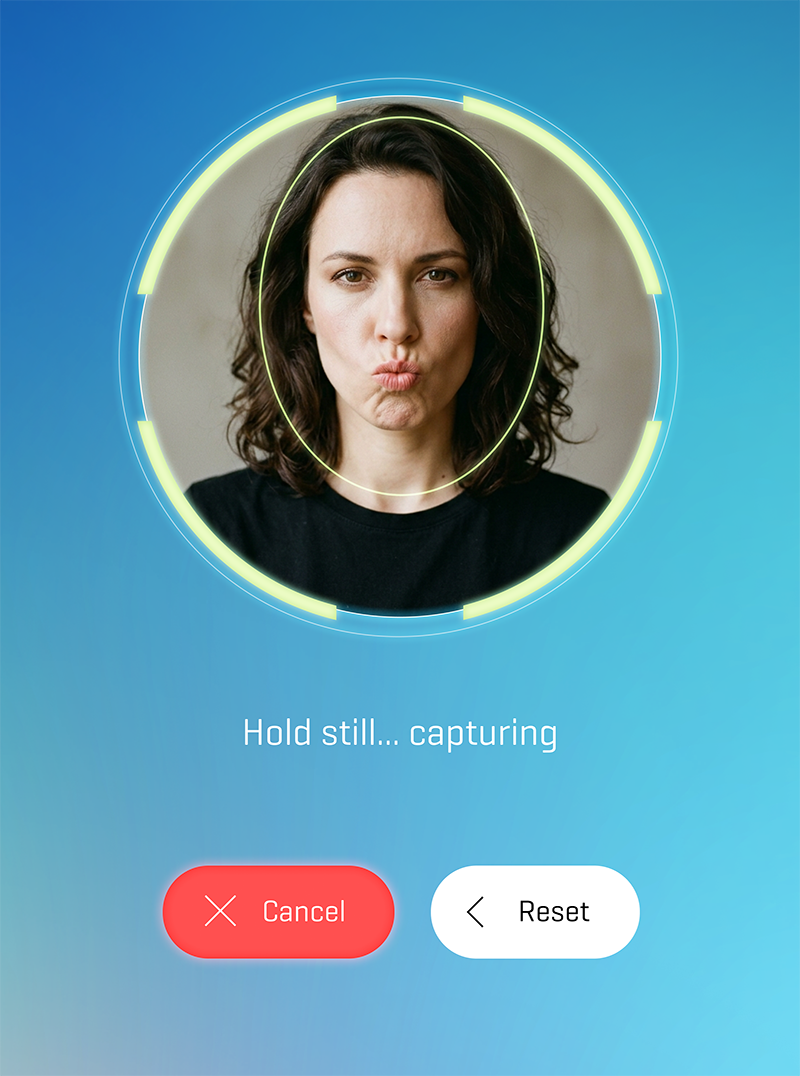
But, this wasn't just a simple data capture app. We needed to capture a very important detail; the visitor's face.
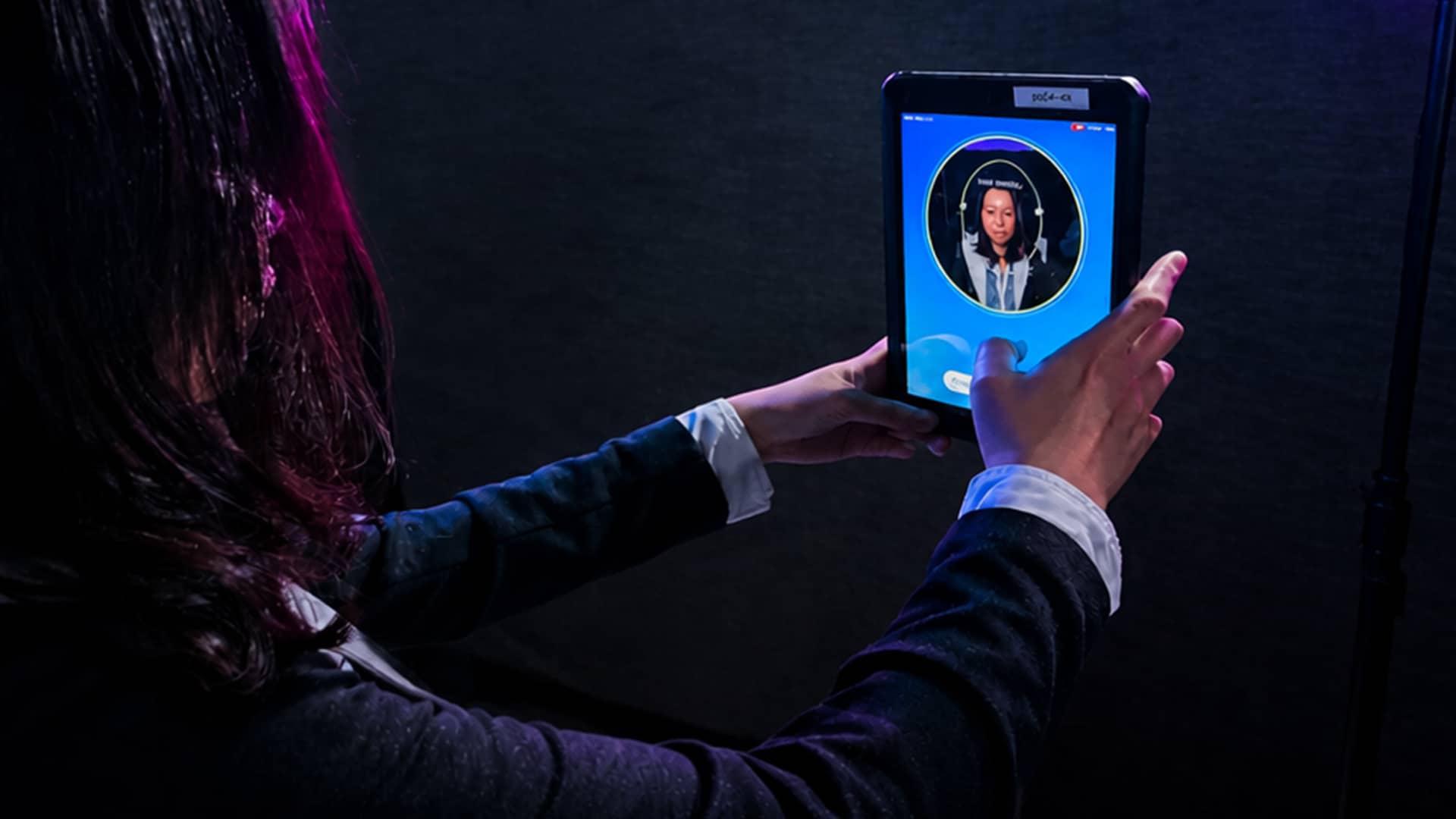
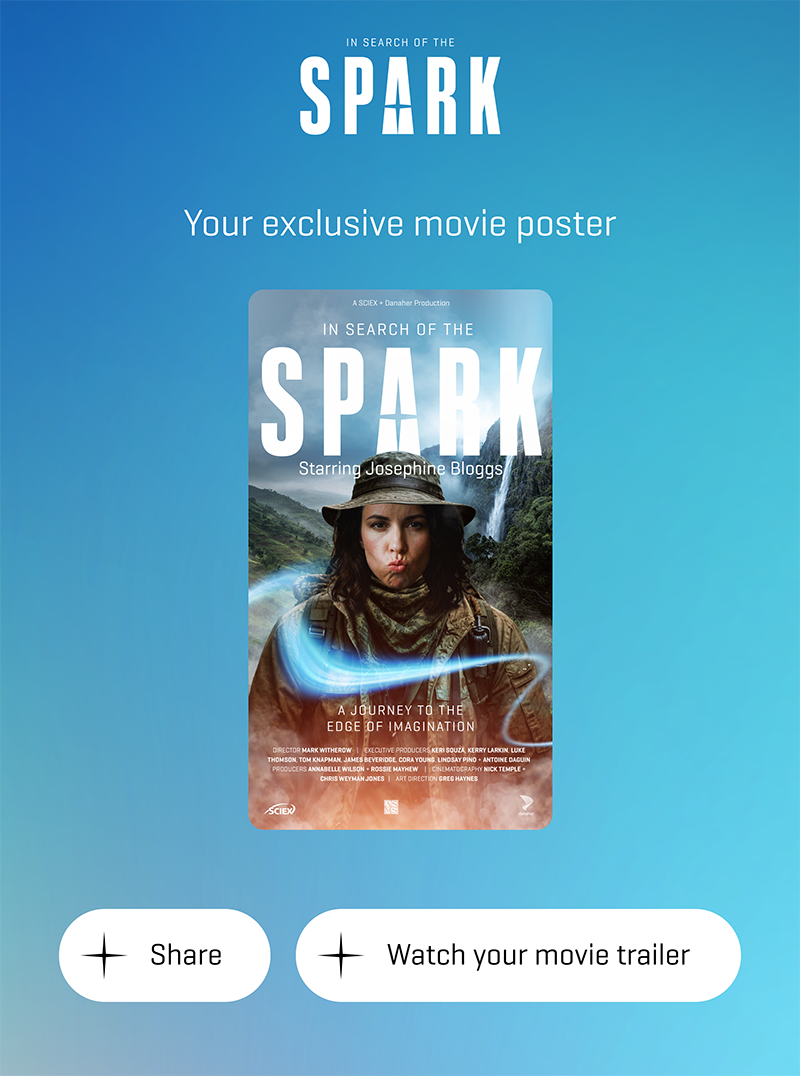
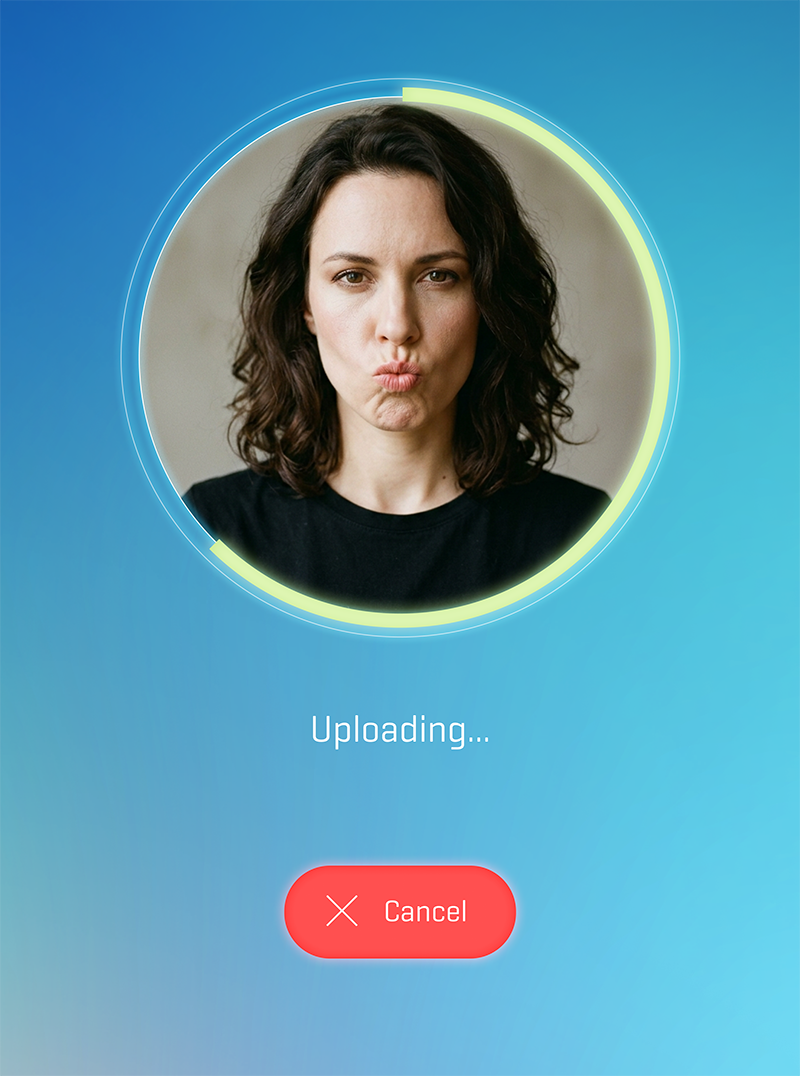
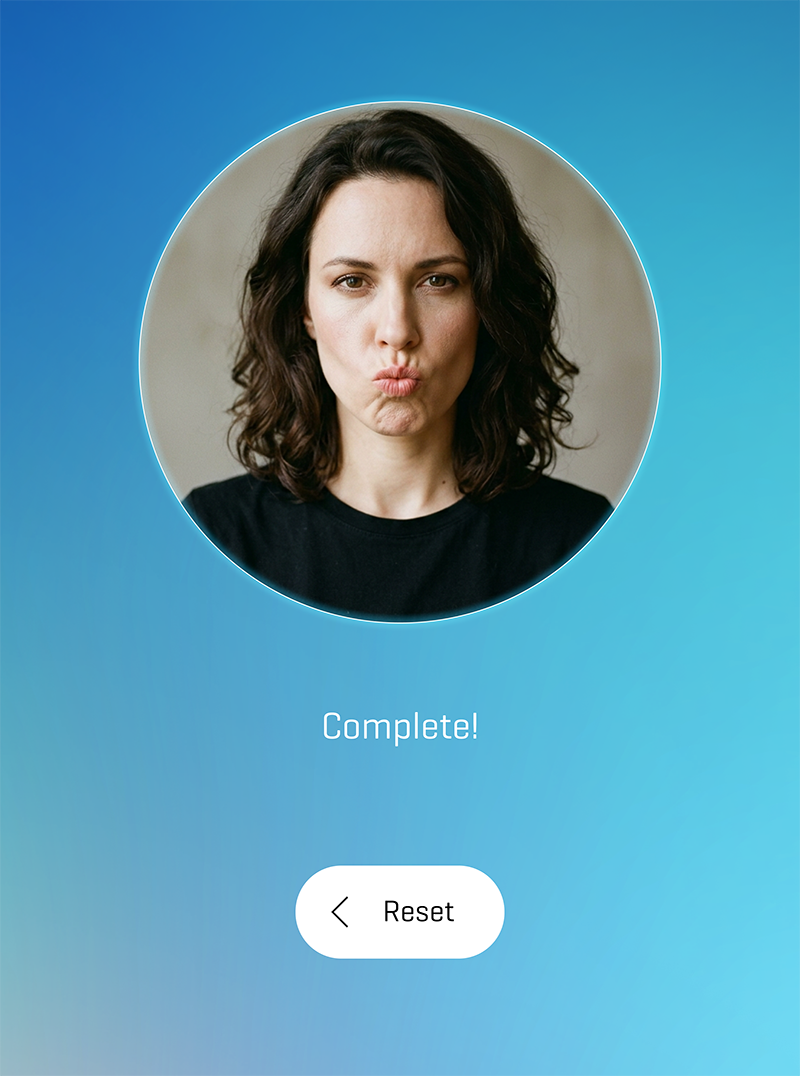
The visitor scanned their face with the iPad, and this was sent to the server so a generative-AI model could replace the face from a target image.
The AI model needed to be good enough to retain the likeness of the visitor, whilst making it look natural in the final resulting image.
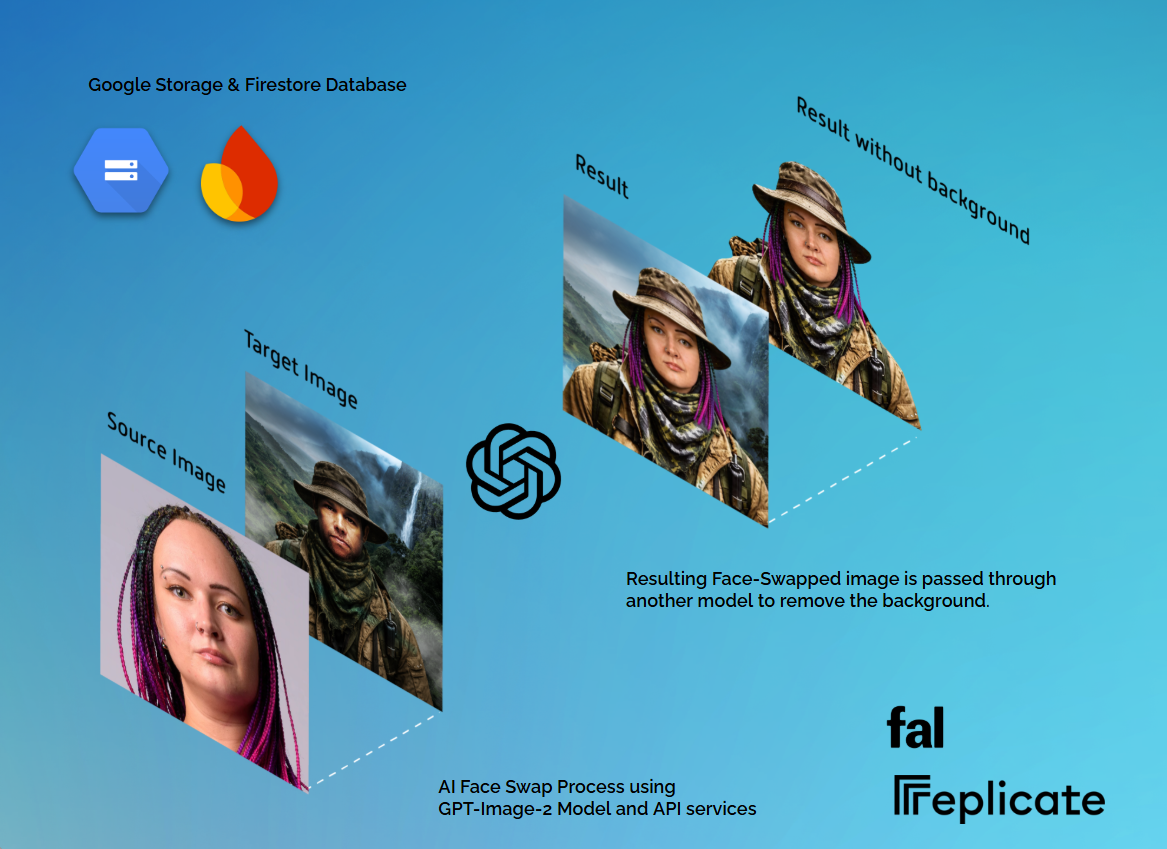
After the initial Face Swap is achieved, the result us passed to another AI model that was able to remove the background. The resulting transparent image is then stored in the cloud and associated with the visitor.
The creation of the Face-swapped image triggers the next phase in the pipeline.
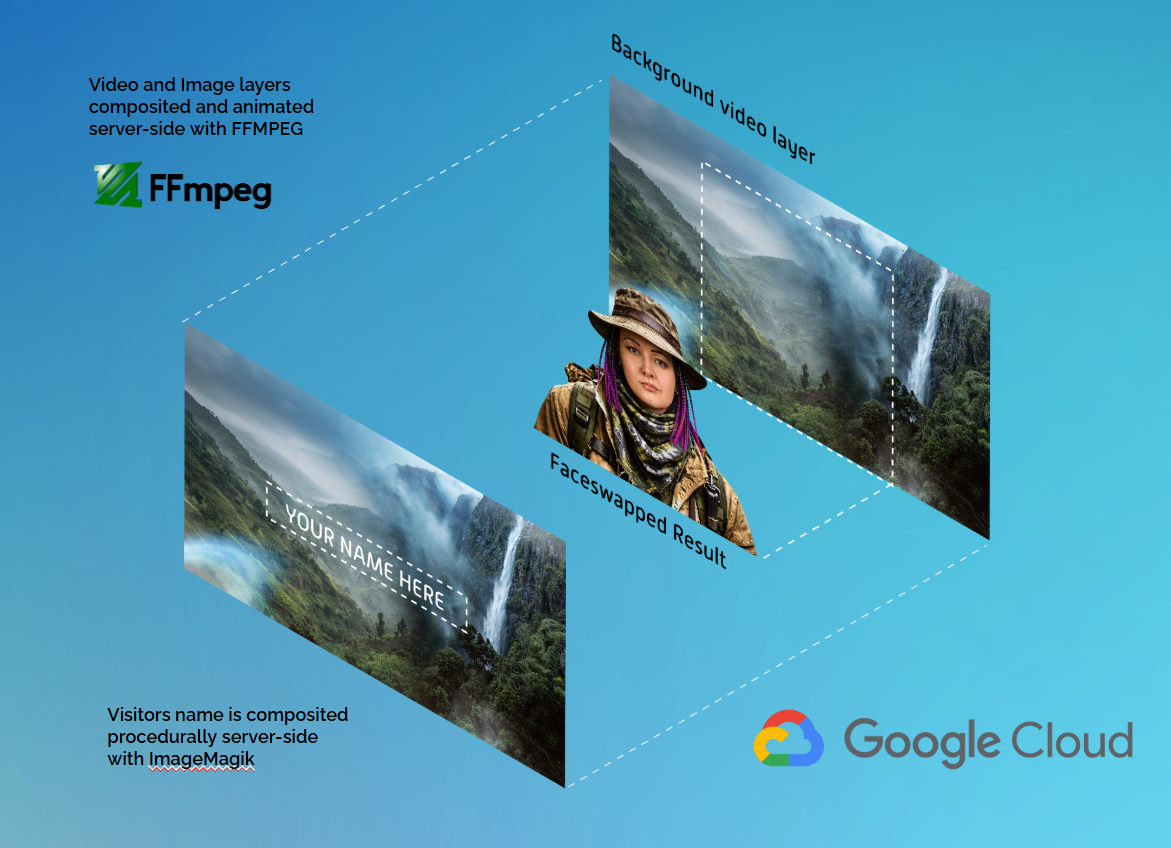
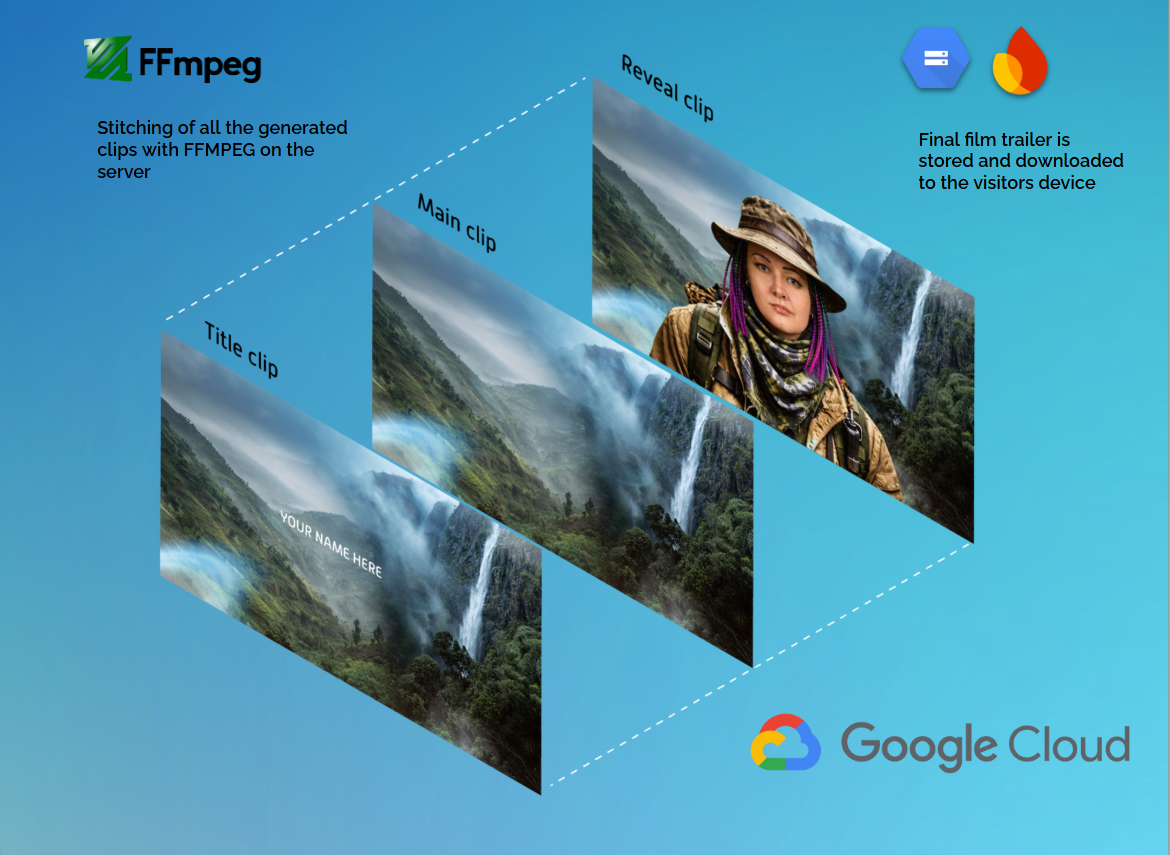
A 'reveal' clip is composited in the cloud by combining a video background, and a video overlay, with the transparent image of the visitor as the scientist.
Each layer is animated and the overlay video enhances the clip with effects and the spark!
We also programmatically generated the visitors name as a graphic that was stamped into a 'title' clip. This was also transitioned in to add some dynamic movement.
As well as the video clips we generated a poster from layers that were carefully constructed to align perfectly with the AI generated image. There was a background layer, the scientist, and then the layer with the graphics and special visual effects.
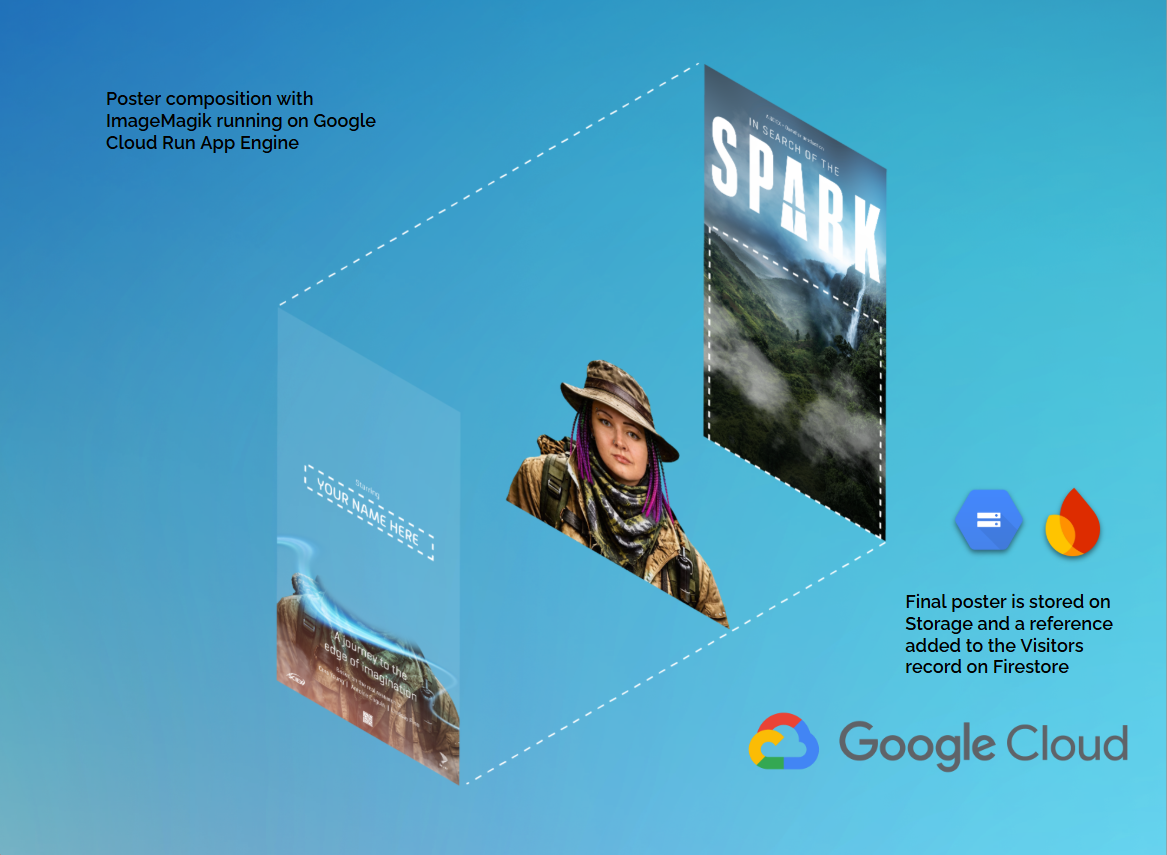
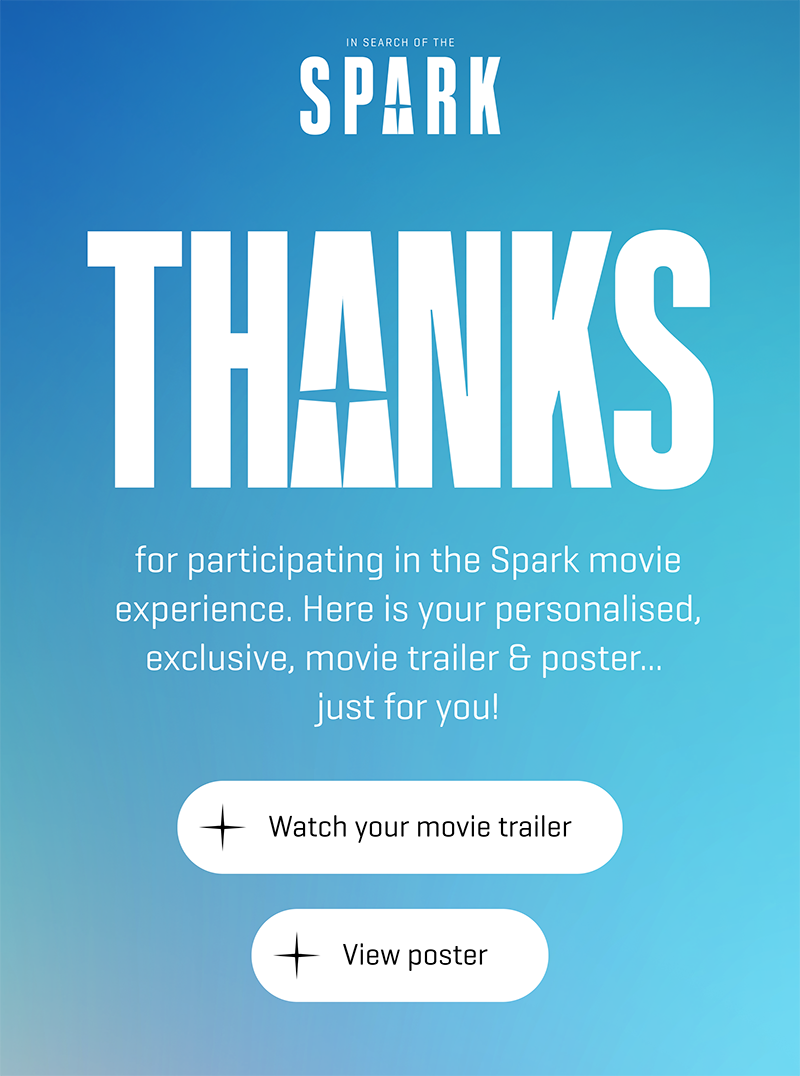
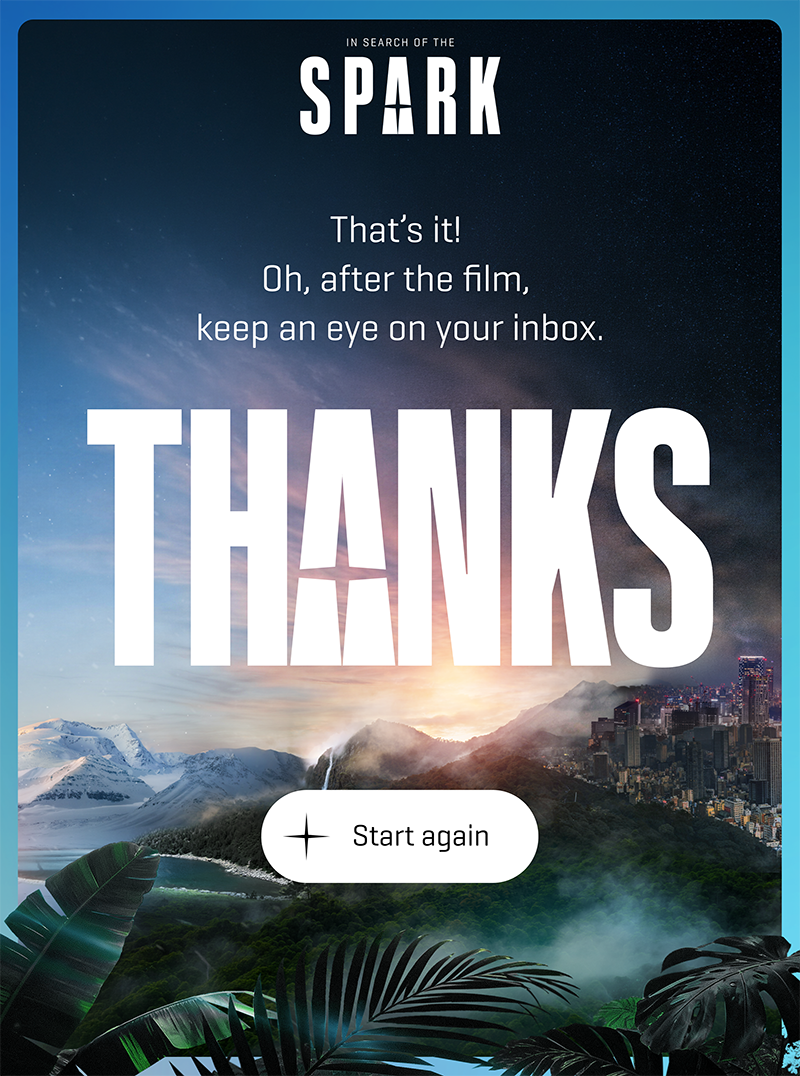
Once we had the 'programmatic' video clips and poster generated, we were able to trigger the email
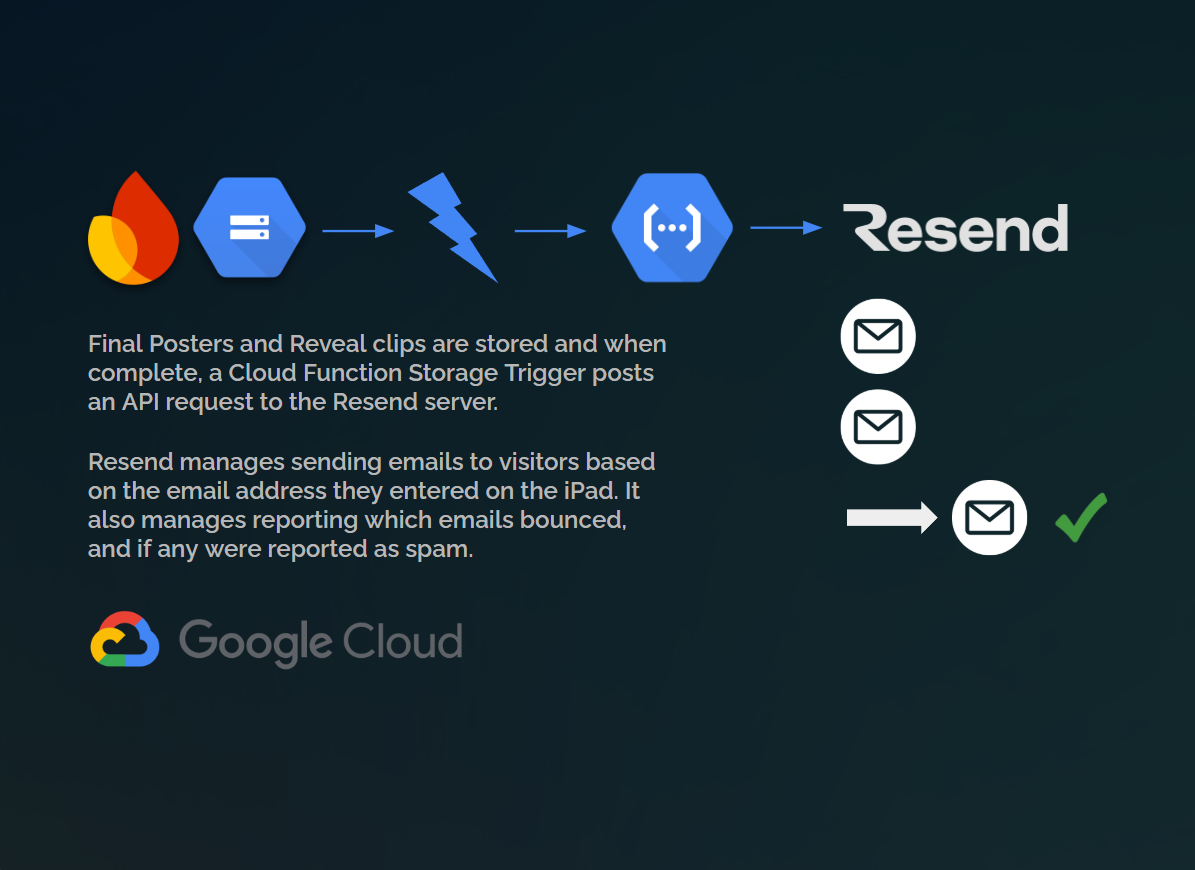
We used Resend with Google Cloud Function Storage Triggers to send each visitor an email with their poster as an attachment. Resend was a great service that provided a WebHook so we could be alerted of emails that bounced or were refused by the company mailbox.
There were hundreds of visitors to the Sciex Hospitality Suite, and we could not afford anything to go wrong whilst we were capturing data. It was critical that as each batch of visitors (up to 50 at a time) entered the suite to watch the movie, their experience with the software was comfortable, intuitive, and without any problems.
We did a lot of User Testing with the Face Scan User Interface, to ensure that the system would not get confused and was strict enough to avoid incorrect head poses, but not too strict that it would accept somebody faced in completely the wrong direction.
We got the balance just right, and there were no submissions with glitchy face images.
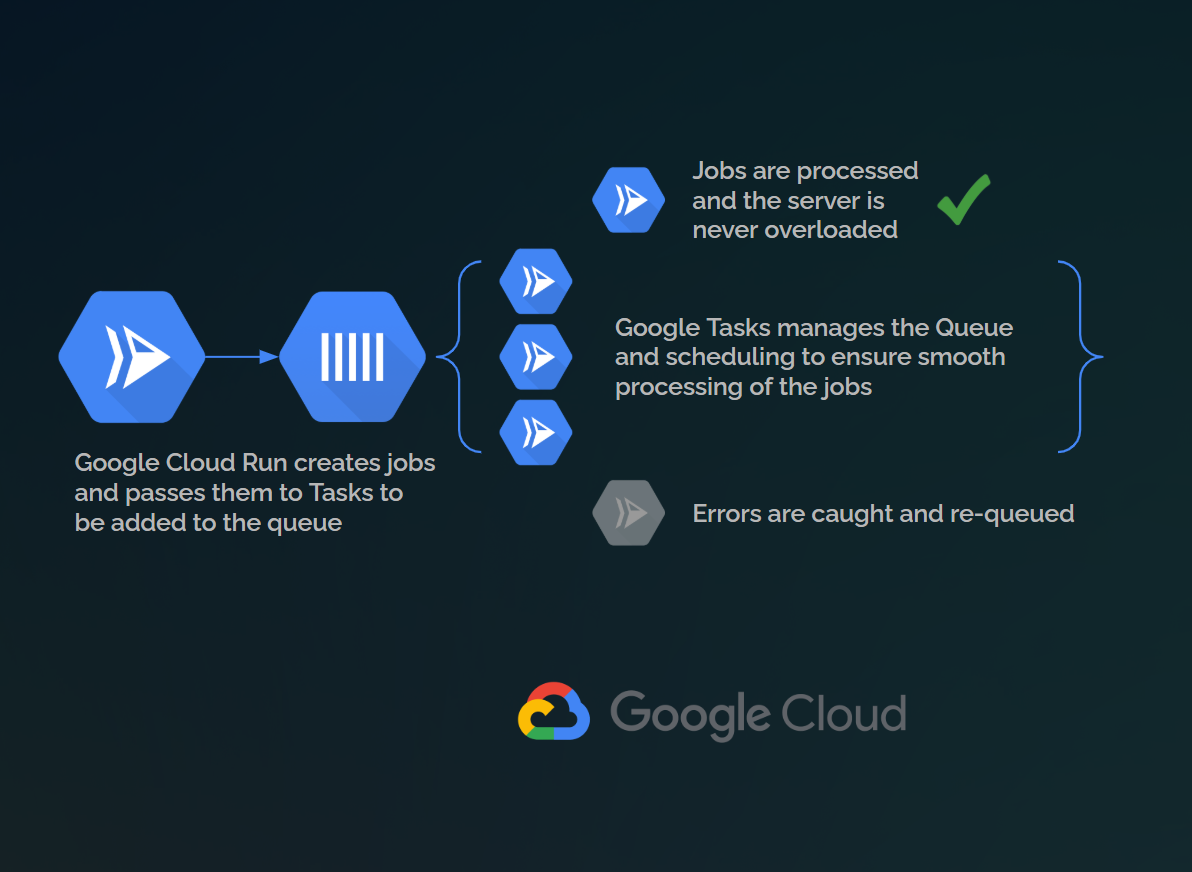
As visitors submitted their face images and data, we created a record for the job with their details (anonymously) and passed the job to Google Tasks, so they could be added to a scheduled Queue. We needed the process to start ten minutes after the submission ended, to ensure that the visitor had entered the cinema and watched the film before they received their email. Scheduled jobs were activated on the queue, and we could fine tune the number of concurrent jobs to ensure the server didn't get overloaded. If a job failed because of a race condition with the storage, or the AI model failing, the job is sent back into the queue for a number of retries. There were just a handful of jobs that returned an error, but every one of them succeeded on the next run. There were no fails.
The second major challenge was ensuring that the AI services we were using had fallbacks. We had different Face Swap AI models chosen, as well as two competing AI platforms that provided the APIs. We used Replicate.com and FAL.ai - if one service failed it would switch to the other automatically. We also setup a live, real-time settings configuration on Firestore, so we could switch models and services without redeploying Firebase Functions and Web App Engine Instances.
It would not have been economical to stitch, and store the final film trailer for everyone who captured their face.
Not everybody was going to receive an email and some may not have visited the site afterwards. For this reason, we deferred started the final film composite process to the visitor.
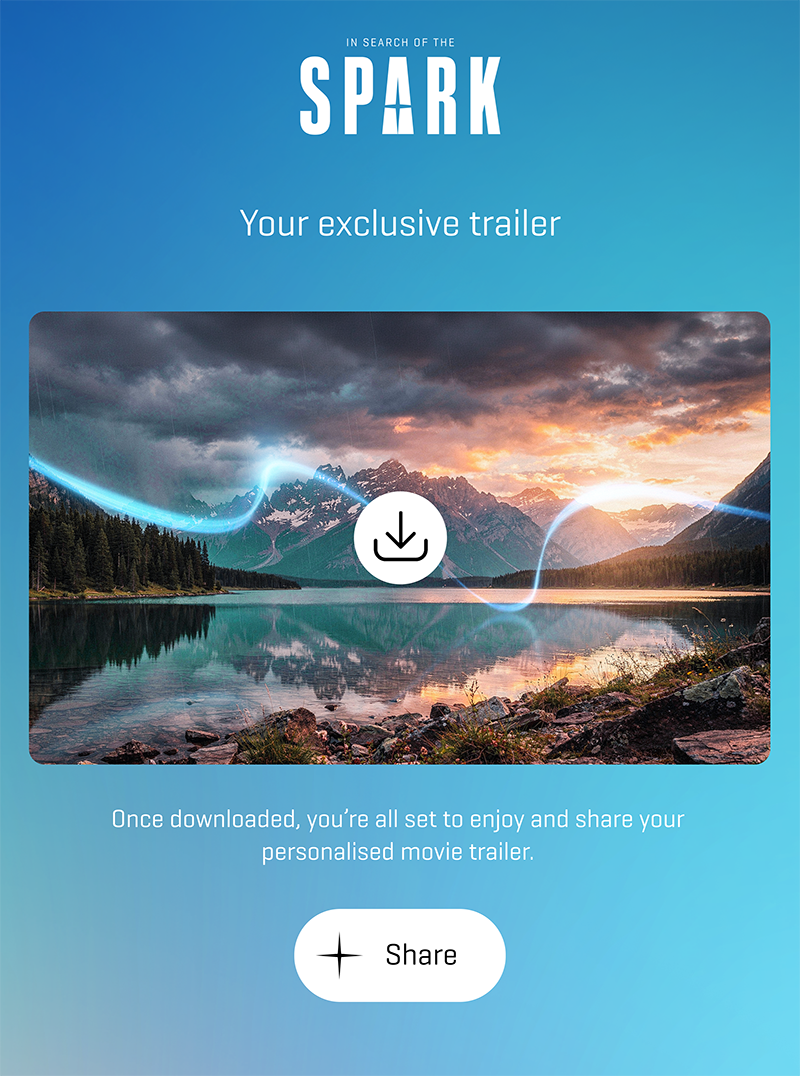
On the website, they tapped the download button to trigger the final video composite on the server. The file is then downloaded to their device for sharing.
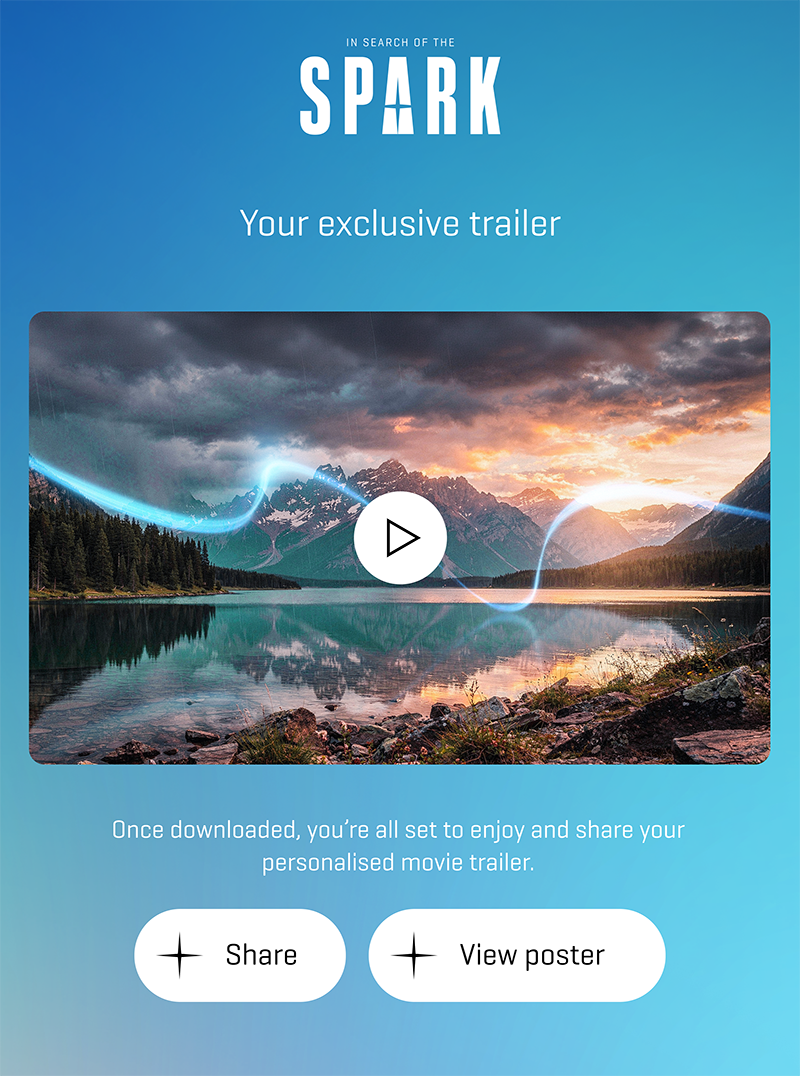
The WebShare API allows visitors to the site to download the film and/or poster. They are also able to share the files with whatever service they have installed on their device that can handle the file type.
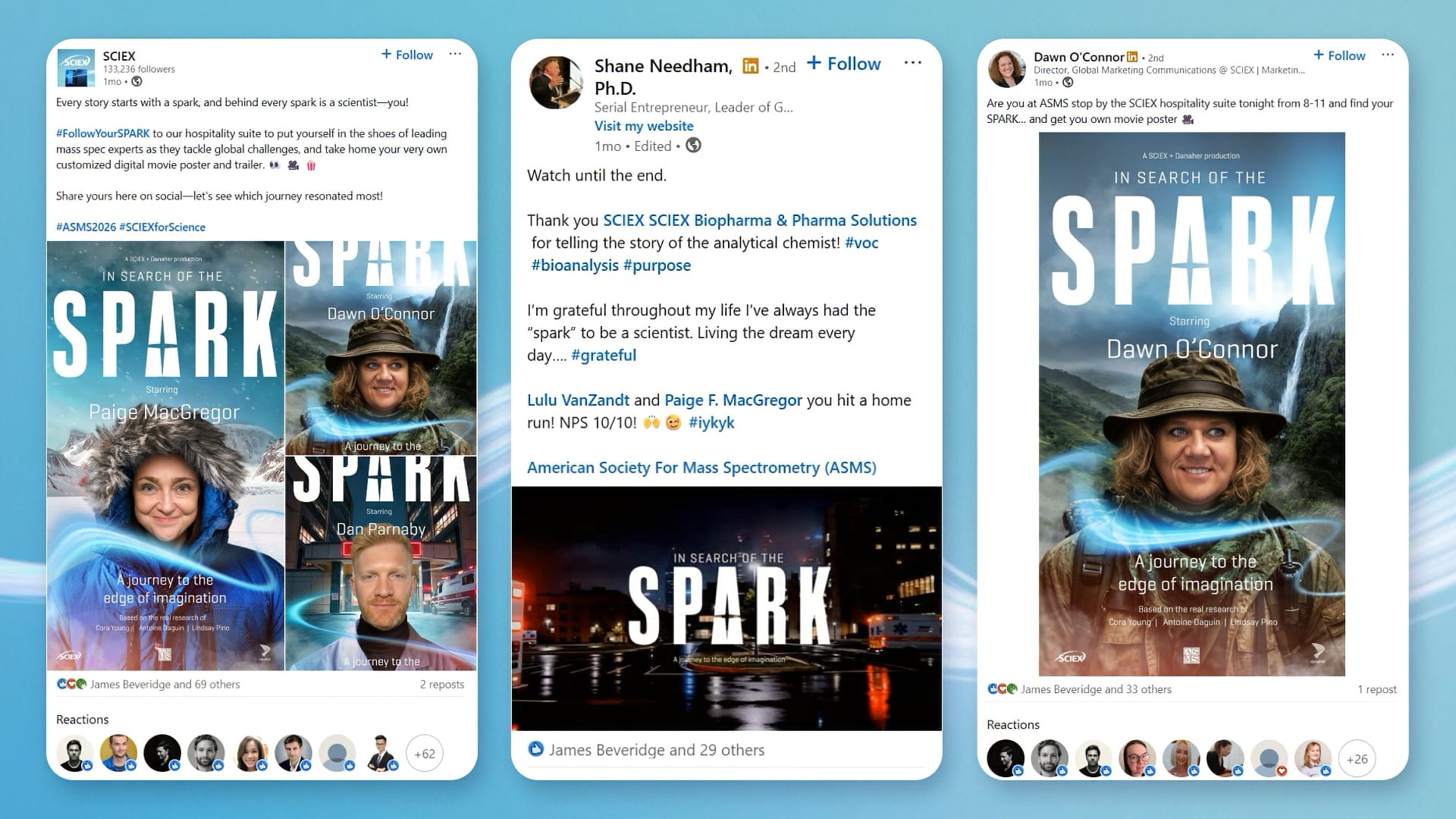
Visitors were keen to share the film and poster across Social Media, and were keen to show that they found their Spark!
Whilst all this was happening in real-time, we also built admin tools for the staff to collect and curate the best visitor posters and add them to the digital LED wall at the event.
The admin tools allowed the staff to see the jobs as they were created, and at every stage of the pipeline.
They had tools for moderation, and for fixing issues like incorrectly entered email addresses.
A live event became a personal, shareable keepsake. In the hours and weeks that followed, personalised spark movies spread organically across the conference and across social. The campaign had done what it set out to do. It gave scientists their spark back.
.webp)
We spent a long time researching Face Swapping models, and the rate of change with AI meant that we were chasing innovation, as it happened, to see if we could find the right model to achieve what we wanted.
The original objective was that the visitor would receive a video of the scientist with their face. It would cut to a scene where the scientist reveals themselves as 'you'. However, this proved problematic because of the transitions we had planned. The Arctic scene shows the scientist lowering their hood whilst also lifting and tilting their head. We also planned to use a local AI model hosted in the cloud, and to use a popular model called FaceFusion. It soon became apparent that this direction was not going to work well. Face Fusion uses face blending to create the likeness, so the target image that is swapped with dictates how the final result looks, and it also doesn't cope with glasses, piercings, tattoos, or elaborate hairstyles. It attempts to only change the face, and what we needed to do was change the entire head, whilst respecting the scene and the apparel, but having the flexibility to alter the head size, and show long hair draping over the shoulders or outside of the space we were trying to preserve.
We needed a rethink.
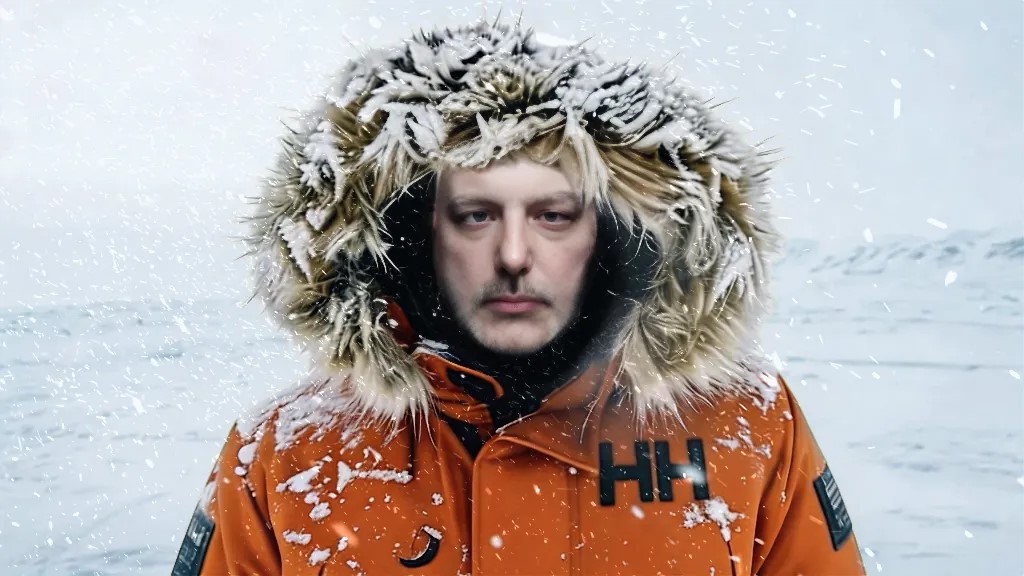
We moved on to testing some of the diffusion models to generate video. There has been some incredible models released for AI video, and we had great fun testing out models like Google's Gemini Veo and ByteDance's Seedance.
These models all had sophisticated Reference-to-Video models that could take a character reference and map the new character to a video with motion. Or, they would take a first and last frame, and then animate the in-between with a prompt.
The problem we had was finding a model that was capable of doing a great job of the face-swap, and then mapping that new person to a video that looked natural and respected the terrain, and other features of the target video. We also found that the models that interpolated between a first and last frame tended to hallucinate randomly, regardless of how good your prompt was. Here's an example:
After extensive research into the AI video models, we decided that the hallucinations and unpredictability of the models was too high-risk for the pipeline we had planned. We were looking at processing hundreds of images every hour, and the AI models needed to work in one-shot, and with predictable results. So, we started to imagine a process where we could use a good face-swapped transparent image, and then composite that image in-between video layers to create the final 'reveal' video for the trailer.
But, we still needed to identify the best AI model for face-swapping our source image onto the target image.
We had incredible results with ByteDance's Seedream-5-lite, a model from China that has been applauded for its incredible accuracy.
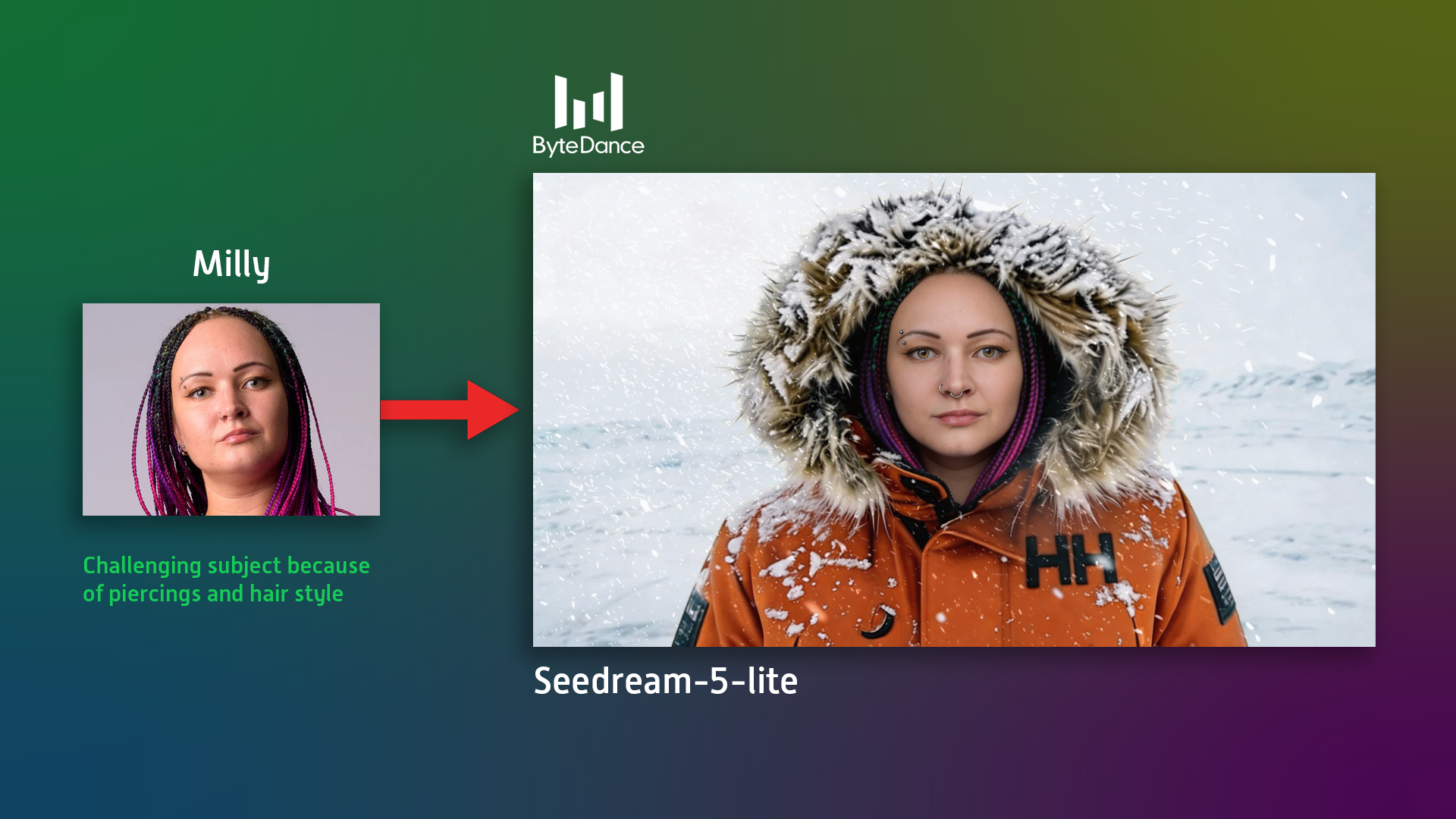
These were great results, and we were very happy. We ran a bunch of tests across a large dataset of face images, and they were all, consistently accurate, and with no hallucinations, or changes to the clothing or scenery.
We used another AI model to remove the background from the resulting image, and then ran some tests of the video compositing process (see above).
We'd cracked it!
Until ... a new model was released from OpenAI called GPT-Image-2. So, we thought we'd give it a try. And our minds were blown! Seedream was great, and most people would not notice any changes in the faces of the subjects, unless it was you. Tests with real users revealed that some subtle nuances were missing from the Seedream results, but the GPT-image-2 model got it spot on!
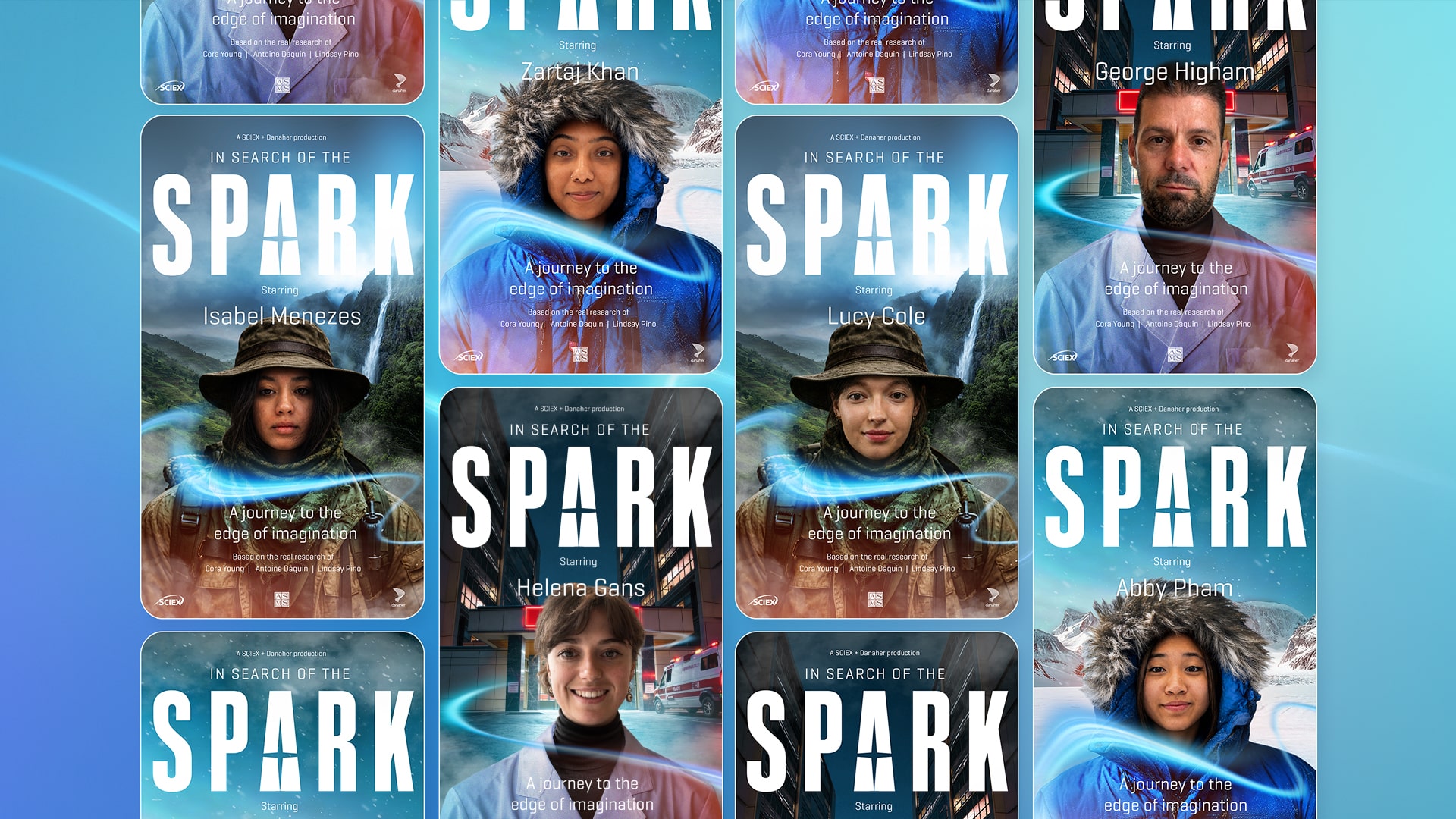
Finallly, we had the perfect result we needed. We used these images to composite into the film and posters, and we were able to produce results without errors, inconsistencies, or hallucinations. And the visitor was able to get their media delivered into their inboxes within a fifteen minute window. And we did this thousands of times.
The Campaign has been a huge success, both at the event, and afterwards when visitors started sharing their content. The click-through rate from the emails was 63% and there were over 15 million social media impressions.
Boulder Creative Studios are very happy with the way the campaign has rolled out, and we are delighted that the hard work we put into this has paid off.
We are currently waiting for news about this campaign winning some awards! More soon.

When you design your stand or event space for the next big conference, don't just throw a shiny toy in there, and expect it to be enough to entice visitors to convert to customers. Bake technology into your brand, and messaging.
Make sure the experience you offer the visitor doesn't end when you have captured their information. Give them something special, and they will reward you at the event, as well as online afterwards.
Event technology is not just the iPad form, it can be integrated into your stand. Give the visitor the opportunity to dive deep into the new product or be immersed in your brand.
Talk to Weald Creative at the early stages of ideation. We design and build experiences, as well as the technology that enables them.